Why Is Taco Bell So Expensive
You may have noticed taco bell feels less like a late‑night bargain and more like a regular stop. This short guide shows the key reasons you see at the register without patronizing you.
We compare prices over years to show how the same menu items changed. You get a clear look at inflation, labor, supply costs, and other factors that add to the price of fast food.
We also explain how menu layout nudges customers and why a la carte items can feel high. You will learn which items still give good value and which to skip when costs rise.
By the end, you’ll have simple tips to save money on family runs and quick meals. Use this information to decide if a stop tonight matches your budget and taste.
Then vs. Now: Taco Bell Prices Compared to Other Fast Food Options
A look back at receipts shows how familiar menu items climbed in price over the years. A 2012 slip listed two Beefy 5‑Layer Burritos for $2.59 total. Today that single beef burrito runs about $3.69, state by state variation included.
This shift changes how you judge value. Only a few burritos now sit below the old $2.59 mark: Bean Burrito, Chicken Enchilada Burrito, and Cheesy Bean & Rice Burrito. That reduces low‑cost choices when you build a meal.
Channel matters. App value boxes can bundle a main, side, and drink for roughly the same money as one a la carte item. Forum users report boxes around $7 and periodic online offers near $5.99.
- Two burritos for $2.59 then; one burrito ~$3.69 now — a clear price jump.
- A Doritos Locos taco reported near $3.50 can match a local taqueria’s taco, shifting perceived value.
- Use the app and compare box versus single cost before you place an order.
For a quick read on historical pricing and comparisons across chains, see this analysis on original taco costs at original menu pricing.
What’s Driving Higher Prices: Inflation, Labor, and Delivery Costs
Since 2021, everyday food costs surged and that ripple shows up on many menus. Food prices rose about 33.7% from the start of 2021, and peak inflation near 9.1% in 2022 tightened budgets for chains and customers alike.
Inflation and menu pressure
Higher inflation raised the baseline for menu items. When staple costs climb, restaurants pass some of that to buyers in the form of higher prices and smaller promos.
Labor and payroll
Rising hourly pay affects operating costs. In places where workers earn near $20/hour, restaurants adjust pricing to cover wages, training, and turnover.
Delivery, supply, and ingredients
Third‑party delivery adds fees that nudge the final price up. Supply chain strains on beef, chicken, and transport push ingredient costs higher too.
- Food inflation raised the baseline for menu item pricing.
- Labor increases make payroll a larger share of operating costs.
- Delivery convenience and transport fees add to what customers pay.
Together, small things—packaging, sauces, and shipping—add up. Chains balance quality and price with bundles and limited offers as practical ways to keep traffic while covering cost pressures.
Value Menu vs. Regular Menu: The Pricing Strategy You Notice at the Register
The register often nudges you toward bundled choices that feel smarter than buying a la carte. That nudge is deliberate. It shapes how you see value and pricing when you order.
Cravings Value Menu under $3
The Cravings Value Menu lists ten items at $3 or less at participating U.S. restaurants. Key picks include Double Stacked Taco ($1.99), Stacker ($2.19), Loaded Beef Nachos ($2.99), Cheesy Double Beef Burrito ($2.79), and the 3‑Cheese Chicken Flatbread Melt Burrito ($2.29).
These value items let you pair one main with a side to build a satisfying meal while spending less money than many single regular entrées.
Combo box economics
Combo boxes bundle a main, side, and drink. Forum examples show online offers and boxes around $5.99–$7 that undercut ordering separately.
- If you’re tracking costs, the value menu helps stretch your dollars with familiar names and steady portions.
- Boxes hide unit pricing and make the total feel kinder at the register, which nudges you toward the bundle.
- If quality matters, pair one craveable item with one value pick to balance taste and lower the total.
- Watch the app for rotating menu items and timed offers; those can trim prices without changing your routine.
Brand Strategy and Market Positioning: How Taco Bell Competes on Price and Perception
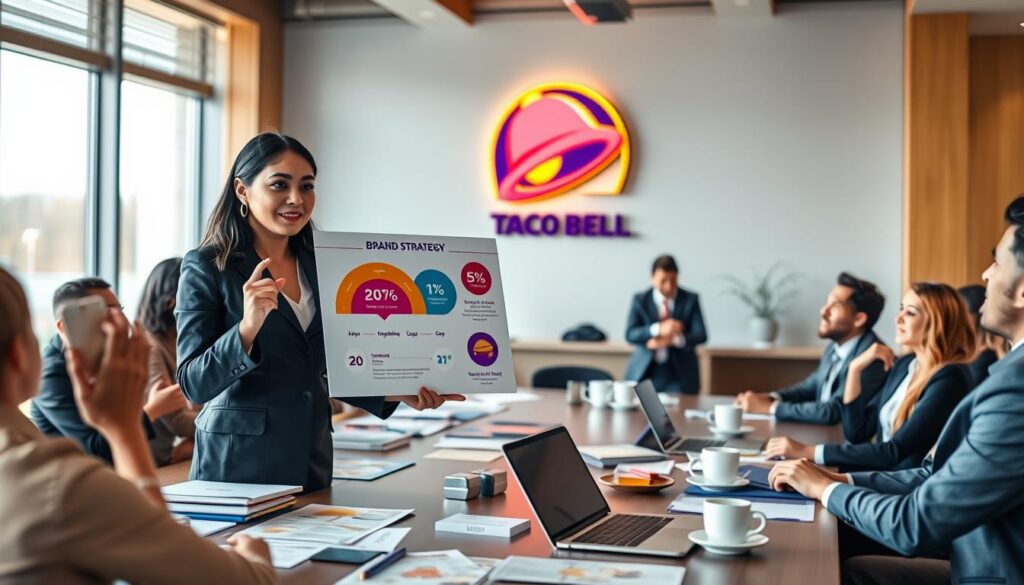
Large-scale strategy shapes what you see on the menu and how prices land at the register.
Operating under Yum Brands gives the chain scale. That scale helps with supply and testing new items across many restaurants.
Customers often debate quality and pricing online. Those conversations steer which items return and which fade over years.
Portfolio moves and customer signals
- Yum Brands shares supply lines with KFC and Pizza Hut to cut ingredient costs.
- Menu innovation lets the brand swap recipes toward cheaper ingredients while keeping flavor.
- Pricing mixes clear bundles for everyday value and a few premium items for a quick splurge.
| Strategy | Effect on Prices | Customer takeaway |
|---|---|---|
| Scale purchasing | Lower ingredient cost per unit | Stable staples, fewer surprises |
| Menu rotation | Targets lower-cost recipes | Fresh options without big price hikes |
| Bundle focus | Masks unit prices in boxes | Perceived value for quick orders |
The result is steady positioning: familiar comfort, a few seasonal items, and pricing that nudges you toward value while leaving room to choose. That mix explains many of the reasons customers notice at checkout.
Is It Worth It Today? Practical Ways to Save and When to Choose Alternatives
At the register, small choices add up. A few swaps can turn a pricey order into a sensible family meal. Use the app first. Forum users report online offer boxes near $5.99 that bundle a main, side, and medium drink. Those often beat a la carte totals.
Smart ordering
Start with app deals and time‑limited promotions. They cut the final price by a few dollars. Pick an online box when it matches your appetite. Compare menu prices across apps before you order.
Stretching a family meal
Build meals using the Cravings Value Menu. Sub‑$3 items pair well with one craveable main per person. Two value picks plus a favorite keeps food hearty and saves money.
When to go elsewhere
If local tacos run close to single prices, try a nearby taqueria that day. Or cook a quick at‑home meal once or twice a week. A simple plan makes restaurant nights feel special.
| Action | Typical benefit | When to use |
|---|---|---|
| Order an app box | Saves ~$2–$4 vs. separate items | When you want a full meal with a drink |
| Use value menu base | Low unit price; flexible combos | Family runs and tight budgets |
| Compare local options | Better quality or similar price | Single‑item cravings or varied menus |
Check deals, build around value menu picks, and keep quality in mind. For a quick price comparison on other menus, you can compare menu prices before you decide.
Why Is Taco Bell So Expensive: Weighing Value, Convenience, and Changing Costs
The end result pairs steady convenience with pricing that follows wider economic shifts. Taco Bell has to cover inflation, higher wages, and rising ingredients while keeping familiar food on the menu.
You can still find value. Use the app, watch for box deals, and mix a value pick with one favorite item to lower the total.
For many customers, quick service and predictable taste matter more than the lowest price. When a local restaurant or a grocery meal fits your budget, choose that—then stop back when deals return.
In short, changing costs meet customer habits. Smart ordering makes your meal fair and keeps nights simple.