
Does Taco Bell Support Israel
You’re looking for a clear, up-to-date answer about the fast-food chain and any ties to the region. This short intro lays out what you’ll find in the article: where the chain operates, what the company prioritizes, and whether there are links through restaurants, sourcing, or partnerships.
We keep the tone warm and practical. You’ll get plain information you can use right away. The goal is to separate workplace and supply-chain notes from political claims so consumers can decide with calm facts.
In the next sections, we walk through operations, sourcing, and community programs. You’ll see what’s confirmed, what isn’t, and what that means for your choices. Expect straightforward context about brand policies and how large companies handle public issues.
Where Taco Bell Stands Today: Operations, Markets, and Any Ties to Israel
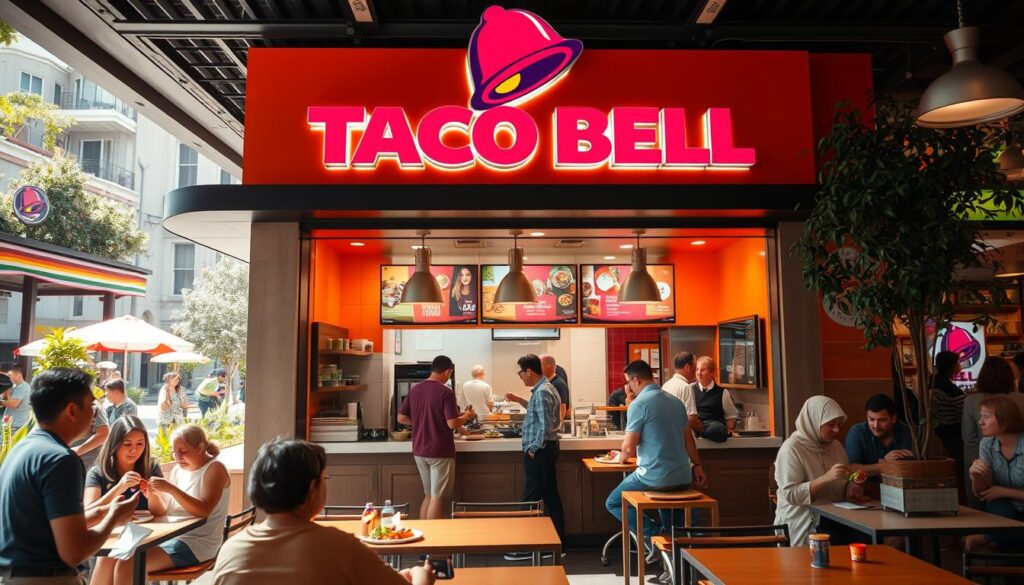
Let’s map the chain’s footprint, recent expansion choices, and whether Israel is part of that picture.
The company does not operate any restaurants in Israel today. There is no public sign of active entry plans or partnerships tied to that country.
Outside the U.S., taco bell has focused growth in select markets. Notable examples include the U.K., India, and parts of Latin America. This selective approach shows a steady, partner-led business model rather than broad, rapid rollouts.
- Market entry decisions weigh local demand, franchise partners, and operations support.
- In active regions, the brand prioritizes menu innovation and consistent service.
- No credible information links the company to Israel through restaurants or public partnerships.
| Region | Presence | Focus |
|---|---|---|
| U.K. | Yes | Franchises, menu localization |
| India | Yes | Partner-led growth |
| Israel | No | No public entry plans |
This snapshot gives you clear information to decide how footprint and supply chain choices relate to your concerns.
Corporate and Political Stance: What Yum! Brands and Taco Bell Have Said
Here’s how the parent company frames political neutrality and what that means for the brand.
Parent company policy: Strategic neutrality on geopolitical issues
Yum! Brands and the taco bell brand keep messages focused on guests, product quality, and growth. The parent company avoids public political positions so operations stay welcoming to many customers.
This stance helps teams concentrate on service, menu innovation, and steady operations. It also separates community work from political commentary.
No public statements on the Israel-Palestine conflict
The company has not issued public statements about the israel palestine conflict. That absence reflects a deliberate policy to not engage in high-profile geopolitical debates.
If you want official information on the brand’s public positions, there isn’t a statement on this topic. That is by design under the parent approach.
| Topic | Company Practice | Effect for Consumers |
|---|---|---|
| Political statements | Not issued publicly | Consistent, apolitical dining experience |
| Community work | Local philanthropy separated from politics | Focus on hospitality and local needs |
| Operational focus | Service, value, innovation | Predictable brand experience |
Supply Chain Facts: Sourcing, Distribution, and Any Israel Links
Here’s a clear look at where the brand gets ingredients and how that affects any regional links. The focus is on practical sourcing, not politics. You’ll see how local purchasing helps keep the menu consistent.
U.S.-centric and regional sourcing across operating countries
The company sources most ingredients for taco bell in the U.S. Regional suppliers supply restaurants abroad to meet local rules and tastes.
This system keeps deliveries short and quality checks easier. Shorter lines mean fresher food and fewer delays for families on the go.
No public evidence of direct sourcing from Israel
Based on available public records, there is no evidence that the company sources products directly from that country. Procurement practices prioritize suppliers within active markets.
- Most U.S. menu items come from domestic suppliers, with regional vendors used overseas.
- Regional procurement reduces complexity and helps steady pricing for value-conscious diners.
- The chain focuses on quality, safety, and cost controls from farm to store.
| Topic | Practice | Effect |
|---|---|---|
| Sourcing | U.S.-centric; regional abroad | Fresher deliveries; simpler checks |
| Evidence of direct links | No public proof | Limited foreign supply exposure |
| Business focus | Quality and cost control | Predictable food experience |
Consumer Context: Past Boycotts, Brand Values, and How That Relates Now
Many consumers remember past actions and want clear context about how those events shape the brand today.
From March 2001 to March 2005, the Coalition of Immokalee Workers led a consumer boycott focused on labor conditions in the Florida tomato supply chain. Religious groups such as the Presbyterian Church (USA), the United Methodist Church, and the United Church of Christ backed the action.
In March 2005, taco bell agreed to meet demands to improve wages and working conditions for Florida tomato pickers. That outcome shows how consumer pressure can change how suppliers treat workers.
Community work and company response
- The Taco Bell Foundation funds youth education and career-readiness programs across U.S. communities.
- Past labor disputes targeted supplier practices, not the brand’s geopolitical stance.
- For consumers, the difference matters: workplace fixes address how people work and get paid, while geopolitical issues focus on international politics.
| Topic | Action | Effect |
|---|---|---|
| CIW boycott (2001–2005) | Consumer pressure and faith-group support | Agreed supplier improvements in 2005 |
| Community giving | Taco Bell Foundation grants | Youth education and job readiness |
| Public stance | Neutral on geopolitical debates | Restaurants focus on food and service |
Does Taco Bell Support Israel: What to Know Right Now
Read this short take to understand where the brand stands today and what that means for you.
Right now, taco bell has no restaurants in Israel and no public evidence of direct sourcing from that country. As part of the parent company, the chain keeps public messaging neutral on the israel palestine topic.
The foundation work focuses on U.S. youth and education. For consumers choosing where to eat, the practical facts are clear: the fast food brand concentrates on consistent food, steady supply, and community programs rather than foreign-policy statements.
Bottom line: no active presence, no confirmed supply ties, and a neutral stance—so you can decide based on taste, price, and convenience.